| Brand Name: | WONDERY |
| MOQ: | 1SET |
| Price: | TO BE NEGOTIATED |
| Delivery Time: | 3-5 WORKING DAYS |
| Payment Terms: | L/C, D/P, T/T, Western Union |
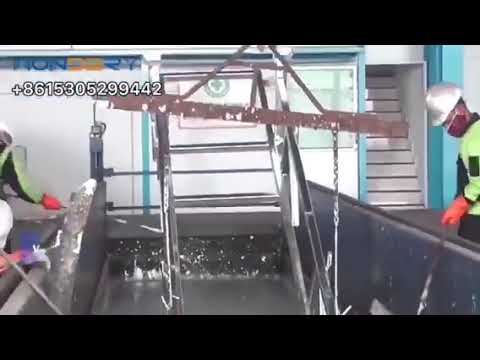
This natural gas straight-line environment-friendly hot-dip galvanizing production line features a zinc kettle with internal dimensions of 13m×1.6m×3m, 410-ton zinc capacity, and maximum hourly capacity of 16 tons/hour. The line covers the full process of pre-treatment (degreasing, rinsing, pickling, cleaning, fluxing), galvanizing, cooling, passivation, and exhaust gas treatment. It uses natural gas micro-positive pressure heating and incorporates a cascade flue gas waste heat utilization system (including patented technologies: combustion air heating, fluxing liquid heating, degreasing tank heating, workpiece drying, sludge drying, kettle edge waste heat recovery, and online weighing). It is suitable for high-volume, environmentally compliant hot-dip galvanizing of large steel structural parts.
High natural gas consumption and operating costs:Large-scale galvanizing lines consume enormous natural gas – significant operating cost pressure. Root cause: flue gas waste heat directly discharged without cascade recovery.
Acid mist and zinc fume pollution:Large pickling tanks and zinc kettles generate substantial acid mist and zinc-containing dust – severe environmental compliance pressure. Root cause: lack of enclosed negative-pressure pickling rooms and efficient bag filter + water curtain deodorization systems.
Difficult fluxing liquid iron content control:Iron ion accumulation in fluxing liquid affects coating quality and increases zinc consumption. Root cause: lack of online iron removal and automatic pH balance systems.
Galvanizing process relies on manual operation:Large-part immersion time and temperature controlled manually – inconsistent coating thickness and higher costs. Root cause: lack of PLC automatic program control for galvanizing timing management.
Lack of zinc consumption and iron loss measurement:Pickling iron loss and galvanizing zinc consumption cannot be monitored online – coarse cost accounting. Root cause: lack of online weighing system.
3.1 High-Efficiency Natural Gas Heating System:High-speed pulse burners (TJ300×6 sets) – instantaneous gas consumption 420m³/h – dual main intake control (one active, one standby). Three-stage PLC temperature control – zinc bath temperature 438-450℃ automatically controlled – gas consumption approximately 12.5m³ per ton of parts at full load.
3.2 Cascade Flue Gas Waste Heat Utilization System (Multiple Patents):500℃ flue gas → stainless steel heat exchanger heats water to 90℃ → fluxing/degreasing tank titanium heat exchanger heats to 30-70℃. 300℃ flue gas → drying tank heats workpieces (100-180℃). 200℃ flue gas → combustion air heat exchanger heats air to 50-150℃ – saves approximately 3m³ gas per ton of parts. Kettle edge waste heat (~200℃) → stainless steel double-layer coil heats water for acid heating/space heating. Final flue gas → workshop heating. Comprehensive energy savings significant.
3.3 Enclosed Negative-Pressure Acid Mist Treatment System:Pickling tanks with enclosed acid mist treatment room (25500×15450×6500mm) – ground rail carts + pit sliding cover for material loading/unloading – negative pressure maintained at 5-10Pa – no acid mist escape. Acid mist passes through dilution tower + absorption neutralization tower (automatic dosing, 45kW variable frequency fan, inlet/outlet pH probes) for compliant discharge. Rinse water reused for new acid preparation – reduces alkali usage. VFD fan automatically reduces frequency based on negative pressure setting – saves ~50% electricity.
3.4 Zinc Fume Collection & Purification System:Double-sided suction capture of zinc fume at kettle edges – smoke suction + bag filter (filtration area 1920m²) + induced draft fan + water curtain deodorization (chimney, ducts, etc.) – 160kW variable frequency – starts 2-3 minutes before kettle immersion – saves 200-300% power. High/low speed switching ensures bags are blown clean.
3.5 Automatic Iron Removal & pH Balance System:Fluxing liquid equipped with 60t automatic iron removal equipment – ensures iron content ≤1mg/L, pH controlled around 5 – effectively reduces zinc consumption and improves coating quality. Filter press sludge sent to sludge drying oven.
3.6 Automated Galvanizing Control & Online Weighing:PLC automatic program design – crane automatically enters set zinc immersion time after lifting parts – zinc temperature automatically controlled – prevents manual over-immersion adding unnecessary zinc layers and costs. Online weighing system displays black part weight, pickling iron loss, galvanizing weight gain and zinc consumption in real-time – facilitating timely adjustment of operating plans.
3.7 Workpiece Drying Conversion Pit:Drying conversion pit dimensions 14000×5000×3000mm – heat exchanger inside flue generates hot air to dry workpieces (100-180℃) – reduces zinc splashing – avoids hanging workpieces on zinc kettle for drying – saves hanging time – increases production and reduces gas consumption.
| Parameter | Specification |
|---|---|
| Zinc kettle internal size (L×W×H) | 13×1.6×3 m |
| Zinc capacity | 410 tons |
| Maximum hourly capacity | 16 tons/hour |
| Heating energy | Natural gas, calorific value 8400-8600×4.18kJ/m³ |
| Gas inlet pressure | 100-200 kPa |
| Burner configuration | High-speed pulse TJ300×6 sets, 420m³/h instantaneous |
| Full load gas consumption | ~12.5m³/ton of parts |
| Zinc bath temperature | 438 – 450℃ (auto-controlled) |
| Fluxing liquid temperature | 50 – 70℃ |
| Degreasing tank temperature | 30 – 50℃ |
| Workpiece drying temperature | 100 – 180℃ |
| Power supply | 380V/50Hz |
| Total electrical consumption | ~525kW |
| Pickling room | Enclosed negative pressure (5-10Pa), ground rail cart loading |
| Acid mist treatment | Dilution tower + neutralization tower, auto-dosing, 45kW VFD |
| Zinc fume treatment | Double-sided capture + bag filter + water curtain deodorization, 160kW VFD |
| Fluxing iron removal | 60t automatic, iron ≤1mg/L, pH≈5 |
| Control method | PLC automatic program + manual |
| Online weighing | Black part weight/iron loss/weight gain/zinc consumption real-time display |
5.1 Recommended Scenarios
High-volume galvanizing of large steel structural parts (transmission towers, bridge components, steel gratings, etc.)
New construction or upgrade of large-scale galvanizing lines requiring environmental compliance
Energy-saving galvanizing plants seeking natural gas consumption reduction and waste heat utilization
5.2 Key Selection Considerations
Kettle size and capacity: Verify 13×1.6×3m kettle and 16 tons/hour capacity meet production needs
Fuel conditions: User to supply natural gas with calorific value ≥8400×4.18kJ/m³, pressure 100-200kPa
Power supply: User to supply 380V/50Hz 3-phase power, total capacity ~525kW
Facility conditions: User responsible for building, concrete tank construction, foundations, water/electricity/gas lines to equipment interface
Lifting equipment: User to supply hoists and cranes (5-ton + 5-ton units)
Environmental requirements: Acid mist and zinc fume treatment systems meet local emission standards
Q1: How much natural gas can the waste heat utilization system save?
A: Combustion air heating system heats air to 50-150℃ – saves approximately 3m³ gas per ton of parts. At 60,000-ton annual capacity, annual gas savings ~180,000m³. Combined with fluxing heating, degreasing tank heating, workpiece drying, kettle edge heat recovery, and workshop heating – annual savings of hundreds of thousands RMB.
Q2: How is acid mist emission compliance ensured?
A: Enclosed negative-pressure pickling room (5-10Pa) with ground rail cart + pit sliding cover operation – prevents acid mist escape. Acid mist passes through dilution tower then absorption neutralization tower with automatic dosing – inlet/outlet pH probes – 45kW VFD fan automatically adjusts frequency based on negative pressure – saves ~50% power – ensures compliant discharge.
Q3: How does the zinc fume treatment system work?
A: Double-sided suction captures zinc fume at kettle edges – smoke passes through bag filter (filtration area 1920m²) for dust removal – then water curtain deodorization tower – finally discharged via chimney. 160kW VFD fan starts 2-3 minutes before kettle immersion – saves 200-300% power. High/low speed switching ensures bags are blown clean.
Q4: How is fluxing liquid iron content controlled?
A: Fluxing liquid equipped with 60t automatic iron removal equipment – continuously circulates and removes iron – ensures iron content ≤1mg/L – pH automatically regulated to ~5. Low iron content effectively reduces zinc consumption, minimizes zinc dross generation, and improves coating surface quality. Filter press sludge sent to sludge drying oven.
Q5: What is the function of the online weighing system?
A: Online weighing system displays black part weight, pickling iron loss, galvanizing weight gain and zinc consumption in real-time. Operators can adjust operating plans based on data – controlling zinc consumption and iron loss – achieving refined cost management.
Ultra-large zinc kettle: 13×1.6×3m – 410-ton zinc capacity – 16 tons/hour output – meets large-component batch production
Cascade flue gas waste heat utilization (multiple patents): Combustion air heating, fluxing heating, degreasing heating, workpiece drying, sludge drying, kettle edge heat recovery – comprehensive energy savings
Low gas consumption high-efficiency combustion: ~12.5m³ per ton at full load – preheated air saves additional 3m³/ton